October 18, 2026 — The 2026 SAPA-DC Annual Conference concluded successfully at the Gaithersburg Marriott in Maryland. Centered on the theme “From Innovation to Global Product: Building FDA‑Ready Biopharmaceutical Companies”, the event welcomed Dr. Chunlin Chen, Founder, Chairman and CEO of Medicilon. He delivered a keynote address and participated in a panel discussion alongside distinguished regulatory leaders including Dr. Nakissa Sadrieh, Senior Advisor for NAMs at FDA CDER; Dr. Janet Woodcock, Former Principal Deputy Commissioner of the U.S. FDA; and Dr. Lawrence Yu, Director of the Office of Product Quality Assessment at FDA/CDER. The group engaged in in-depth discussions on priority topics such as global new drug development, regulatory modernization, artificial intelligence, and advanced nonclinical technologies.
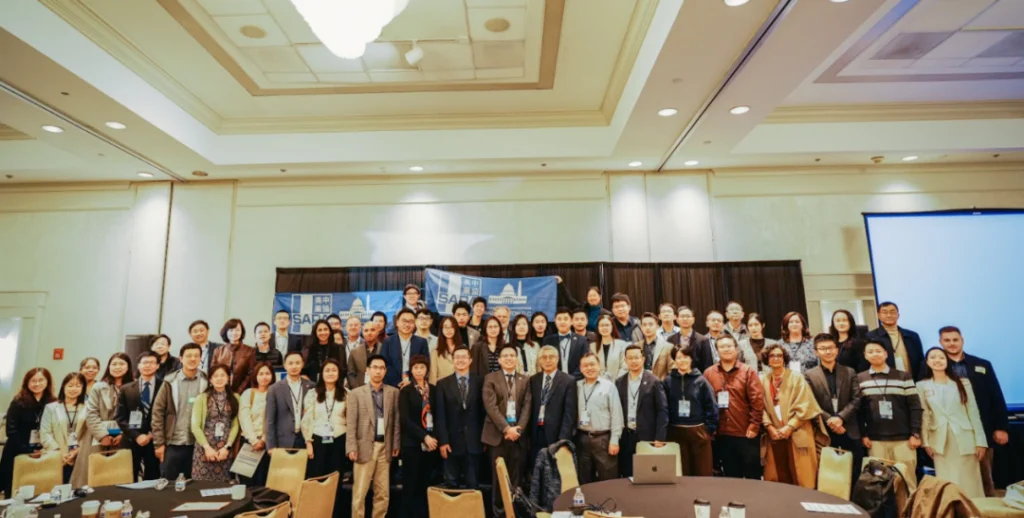
The conference brought together leading stakeholders across the global biopharma ecosystem — spanning academia, industry and investment. Speakers and panelists represented the FDA, Charles River Laboratories, University of Maryland, Johns Hopkins University, George Washington University, Rutgers University, plus industry and investment leaders including Johnson & Johnson, AstraZeneca, Kyowa Kirin, Acadia, Spyre Tx, MCE, Henlius, Corxel, Incyte, Morgan Stanley, Ecphora Capital and Pickwick Capital Partners. The program delivered a multi-faceted forum for cross-sector industry exchange.
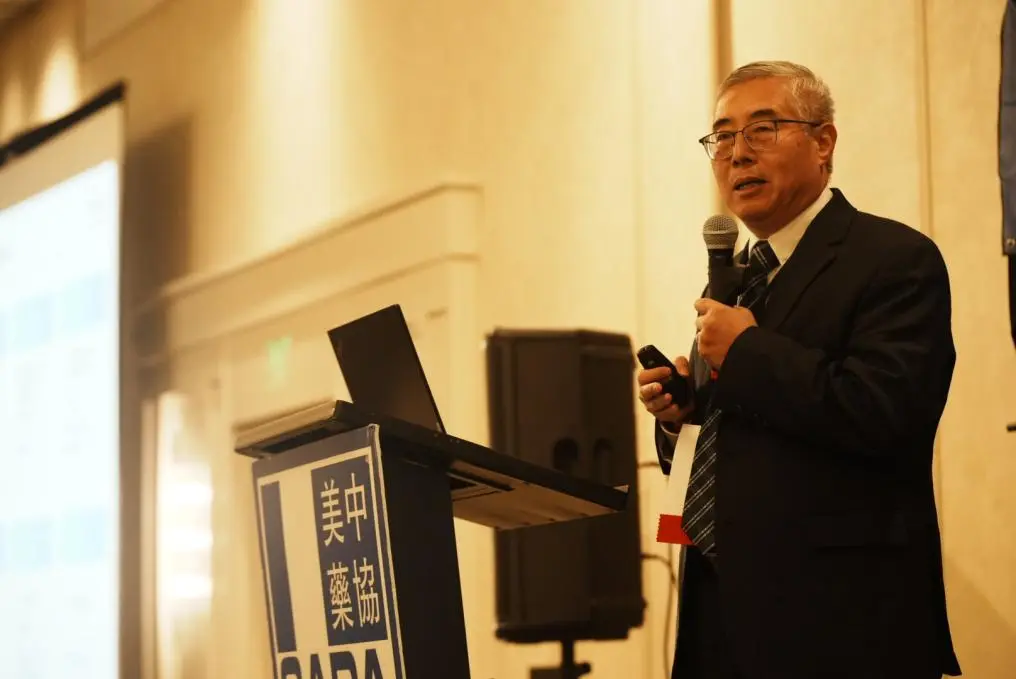
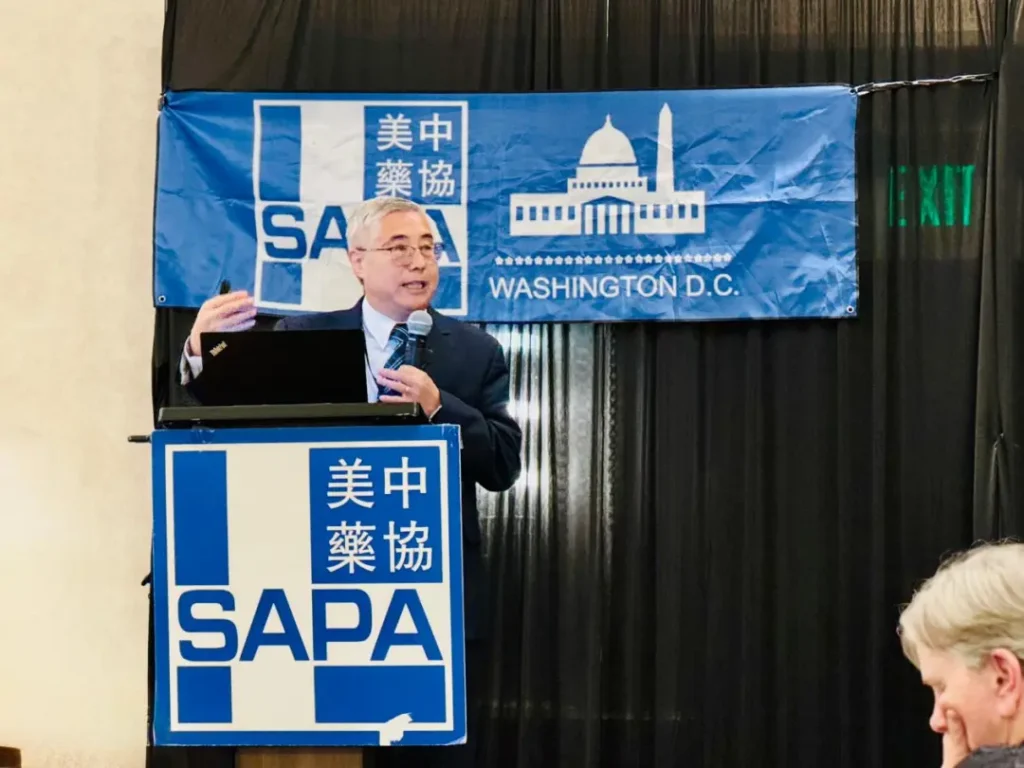
Keynote Presentation : Navigating a Global Path from Target Identification to IND amid the Wave of Innovative Medicine Globalization
During his keynote, titled 《From R&D to IND Approval: Lessons and Insights from New Drug Development in China》, Dr. Chen drew on Medicilon’s extensive project track record and industry datasets to share hands-on experience and strategic perspectives for Chinese innovators advancing drugs to global markets.

Trend Outlook: Rising Out-Licensing and Evolving Industry Models
Dr. Chen opened by outlining the accelerating out-licensing trend for Chinese novel drugs. In 2025, Chinese biotech firms closed 31 out-licensing deals with a total transaction value of USD 135.66 billion, marking a 161% year-over-year increase. Transaction volume is projected to exceed USD 150 billion in 2026.
Collaboration strategies of multinational pharma have shifted from acquiring single molecules toward strategic investments in technology platforms, with portfolio-based transactions becoming mainstream. Assets targeting GLP‑1 and next-generation ADCs remain highly sought after by investors, and original innovation originating in China continues to gain recognition worldwide.
Compliance Foundation: Building Capabilities for Concurrent NMPA and FDA Submissions
A core challenge for dual China‑U.S. filings lies in substantial differences in technical standards and submission requirements between the NMPA and FDA regulatory frameworks. Medicilon operates an integrated platform covering the full continuum from target identification to IND-enabling studies. The facility holds AAALAC accreditation, NMPA and OECD GLP compliance, meets FDA GLP expectations, and has passed inspections by the PMDA and MFDS to support synchronized multi-jurisdictional submissions.
Dr. Chen highlighted key regulatory divergences between NMPA and FDA requirements for toxicology, histopathology review, quality studies, and submission dossier formatting. Leveraging full compliance credentials and validated tools including Provantis and Submit™, Medicilon supports SEND conversion and generates CTD/eCTD dossiers aligned with both NMPA and FDA specifications.
As of the end of June 2026, Medicilon has supported 691 IND approvals, including 77 dual China‑U.S. filings, 7 tripartite China‑Australia‑U.S. filings, and 26 novel medicines that completed out-licensing transactions.
Technology Platform Enablement: Advancing Cutting-Edge Capabilities for Preclinical Development
Dr. Chen noted that Medicilon proactively builds service platforms ahead of market demand to match global R&D needs. Its continuously expanding technology portfolio covers AI-enabled drug discovery, ADC/DAC, macrocyclic peptides, mRNA, in vivo CAR-T, photoredox catalysis, PROTACs, oligonucleotides and AOCs.
Backed by these platforms, Medicilon has supported clinical-stage progression for 36 ADC candidates, 51 antibody programs, 22 GLP‑1 assets, 9 cell therapy candidates, 13 protein/fusion protein programs, 8 PROTACs, 3 oligonucleotide therapeutics and 10 vaccine candidates.
Collaborative Ecosystem: Flexible Models Tailored to Global Biotech R&D Needs
Against the current capital market backdrop, Dr. Chen introduced Medicilon’s flexible partnership frameworks and ecosystem support designed to lower R&D barriers and mitigate project risks for innovators:
- End-to-end target-to-IND service: Clients retain full IP ownership, with milestone-based payment structures available.
- Integrated “IP + CRO + Pharma” co-development: Connecting global IP sources; multiple programs under this model have achieved dual-jurisdictional IND clearance or rights transfer.
- GOI (Global Origin Innovation) Center for Academician-led Novel Drug Maturation: Bridging regulatory expertise and capital resources to provide early-stage biotechs with bundled support spanning regulatory strategy, financing and preclinical development.
The Medicilon GOI Center hosts more than ten biotech startups focused on frontier areas including siRNA, CAR-T, PROTACs, AI-driven drug discovery and autoimmune diseases. It accelerates the translation of discoveries from academicians and university researchers into IND programs, turning scientific breakthroughs into commercial value.
Panel Discussion : Forging New Global Translation Models for Advanced Therapies amid Evolving Regulatory Science
The subsequent panel session was moderated by Dr. Chuanwen Lu,SAPA-DC President. Joining Dr. Chen on stage were Dr. Nakissa Sadrieh (FDA CDER NAMs Senior Advisor), Dr. Janet Woodcock (Former Principal Deputy Commissioner, FDA), Dr. Neelima Denduluri (Vice President, Global Medical Affairs, AstraZeneca), and Dr. Xin Tao (Partner, Hogan Lovells Cadwalader). Panelists shared cross-perspective insights from regulators, sponsors and R&D organizations on the development and oversight of advanced therapies.
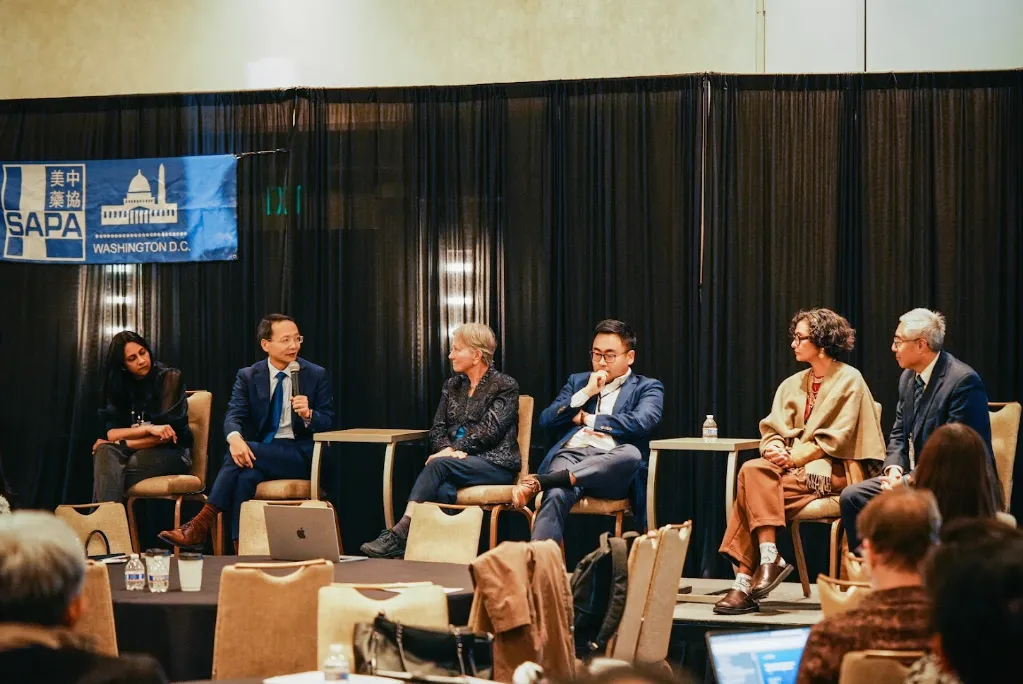
Panel Discussion
From left to right: Dr. Neelima Denduluri, Vice President of Global Medical Affairs at AstraZeneca; Dr. Chuanwen Lu,SAPA-DC President; Dr. Janet Woodcock, former Principal Deputy Commissioner of the FDA; Dr. Xin Tao, Partner at Hogan Lovells Cadwalader; Dr. Nakissa Sadrieh, Senior Advisor for New Approach Methodologies (NAMs) at FDA/CDER; and Dr. Chunlin Chen, Founder, Chairman and CEO of Medicilon.
Drawing on Medicilon’s global project portfolio, Dr. Chen emphasized that as advanced therapies evolve rapidly, sponsors must embed global regulatory strategy at the earliest stages of drug discovery and preclinical work to uphold data integrity and compliance for dual China‑U.S. filings. Medicilon is actively aligning with FDA’s regulatory science priorities around NAMs and has established platforms for AI and organoid-based NAMs.
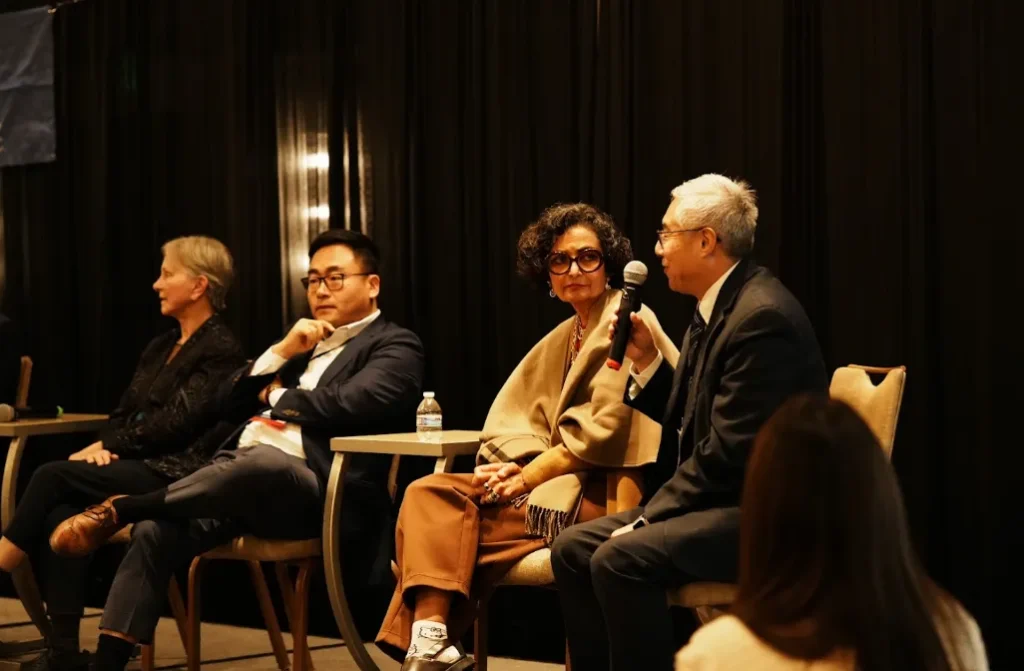
He stressed that the unique, fast-evolving development pathways of novel modalities depend on sustained, transparent dialogue between industry and regulators around the weight of evidence and validation standards for NAMs — a critical enabler for shortening global development timelines.
Panel participants reached consensus that global drug innovation requires a holistic, full-lifecycle regulatory framework. Regulators should continue refining NAMs assessment frameworks with risk-informed, flexible review approaches. Industry stakeholders need to strengthen cross-border business development and global clinical deployment to address unmet medical needs and bring breakthrough therapies to patients worldwide.
Within the global biotech landscape, original innovation from China stands at a pivotal moment for international expansion. Medicilon will continue to act as a bridge connecting East and West. With forward-looking technology platforms, rigorous quality systems and efficient collaboration, we empower innovators worldwide and shepherd more globally competitive drug candidates from target identification to IND.