Medicilon TPD (PROTAC, Molecular Glue) Service Platform
Facebook
LinkedIn
Targeted protein degradation (TPD) is a promising therapeutic strategy that harnesses the intracellular proteasome or lysosome system to eliminate disease-causing proteins. TPD offers several advantages over traditional therapies, including the ability to target previously “undruggable” proteins, overcome drug resistance, and achieve high selectivity.
Key TPD modalities like PROTACs and molecular glues have seen advancements in E3 ligase expansion, linker design, and delivery systems. These not only target oncogenes and overcome drug resistance but also show potential in modulating immune responses, indicating broad clinical applicability.
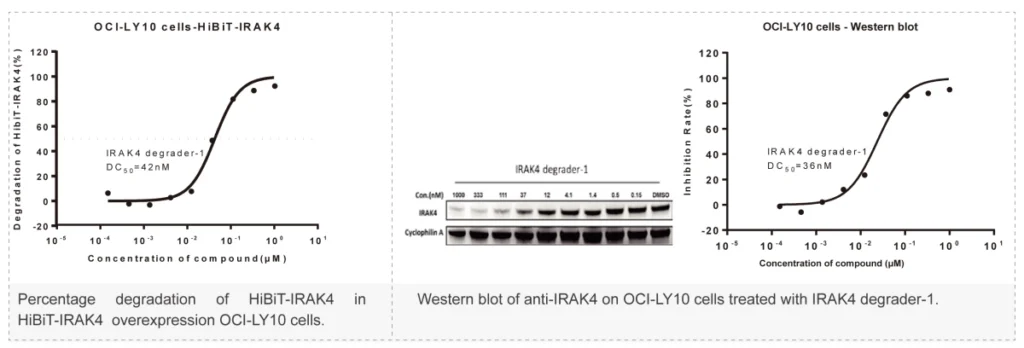
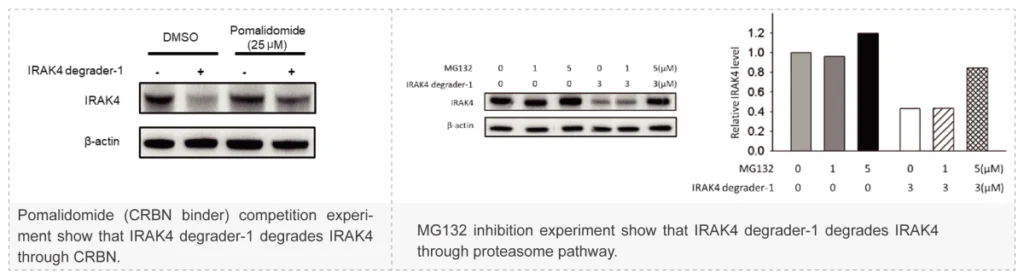
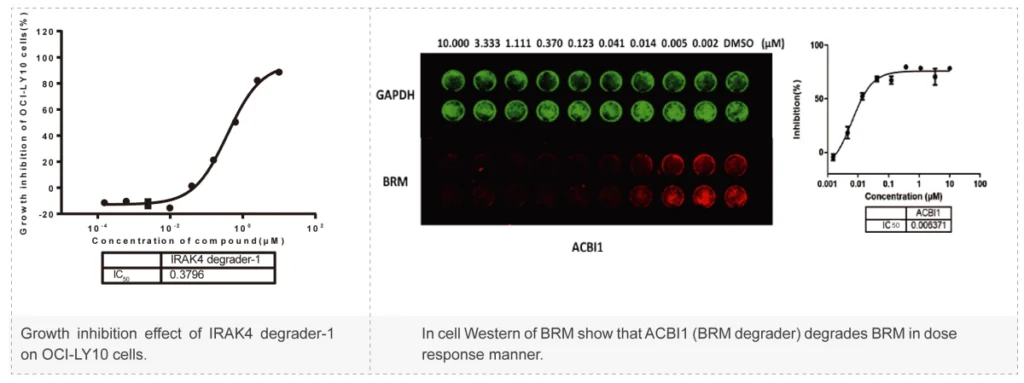
Medicilon TPD platform covers the currently popular target protein ligands, as well as PROTAC and molecular glue modalities. We have established a linker system with an extensive collection of bifunctional linkers. Together with our expanding E3 ubiquitin ligase binder library, we can efficiently synthesize a substantial amount of highly active PROTAC bispecific small molecules, which would have the potential to significantly facilitate the drug discovery and development process. As of September 2026, Medicilon has successfully assisted in the clinical approval of 8 PROTAC drugs and has multiple PROTAC projects under development.
Medicilon has years of experience in PROTAC synthesis. With a dedicated team of over 300 professional chemists and more than 10 years of experience in PROTAC and molecular glue R&D, Medicilon has also initiated research in RIPTAC and other novel bifunctional modalities.
We have access to many popular POI ligands and multiple tissue types of E3 ligase ligands, and have established a linker library containing over 800 advanced linkers. Our E3 ligase ligand library covers over 200 ligands, including Cereblon, VHL, MDM2, and IAP. In addition, Medicilon has designed and synthesized multiple novel E3 ligase ligands and novel parent heterocyclic structures, increasing cell permeability and oral bioavailability while mitigating potential cardiotoxicity. Moreover, Medicilon’s mature CADD technology platform has greatly improved the quality and efficiency of design and synthesis.
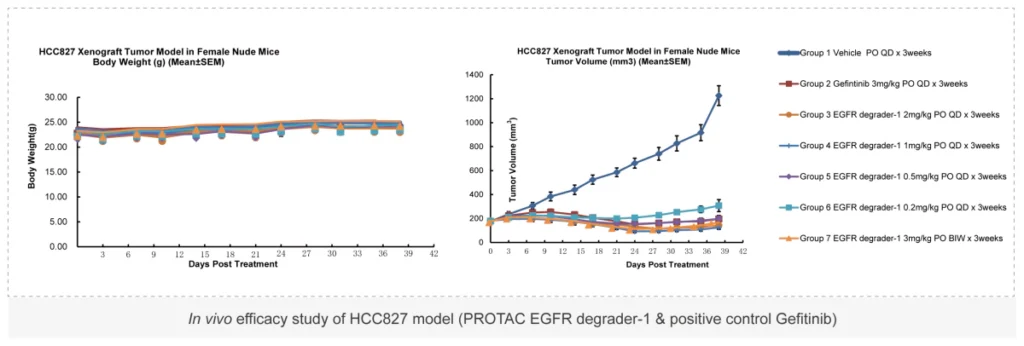
Medicilon provides mature models for evaluating the efficacy of PROTACs in vivo. Our animal models are all established and maintained under the regulation of AAALAC. Pharmacology studies are conducted according to GLP-like standards. At present, nearly 1,100 pharmacology models have been established, including 800 tumor models and ~300 non-tumor models.
ADMET and PK Capabilities
Medicilon’s DMPK team has developed a screening and IND-enabling evaluation system for TPD drugs. Built on extensive in vitro ADME and in vivo PK platforms and its experience in small-molecule research, the system focuses on drug solubility, permeability, metabolic stability, metabolite identification, and in vivo PK, thereby accelerating TPD drug R&D.
Case Study 1
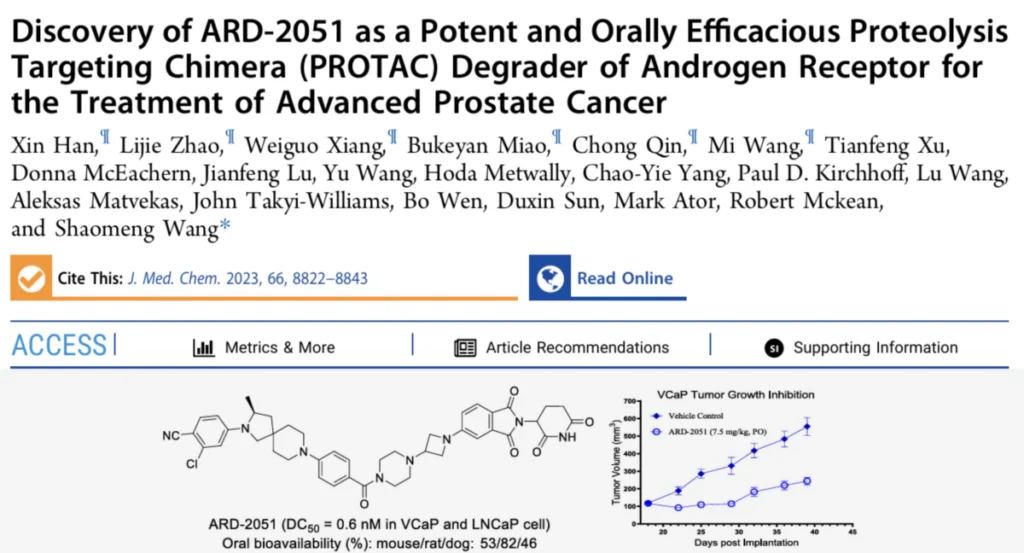
ARD-2051 is an orally efficacious androgen receptor (AR) PROTAC degrader reported by Prof. Shaomeng Wang’s group at the University of Michigan. Medicilon provided in vitro ADME assessments (including liver microsomal stability, plasma stability, plasma protein binding, and CYP inhibition) as well as pharmacokinetic studies in mice, rats, and dogs for this research.
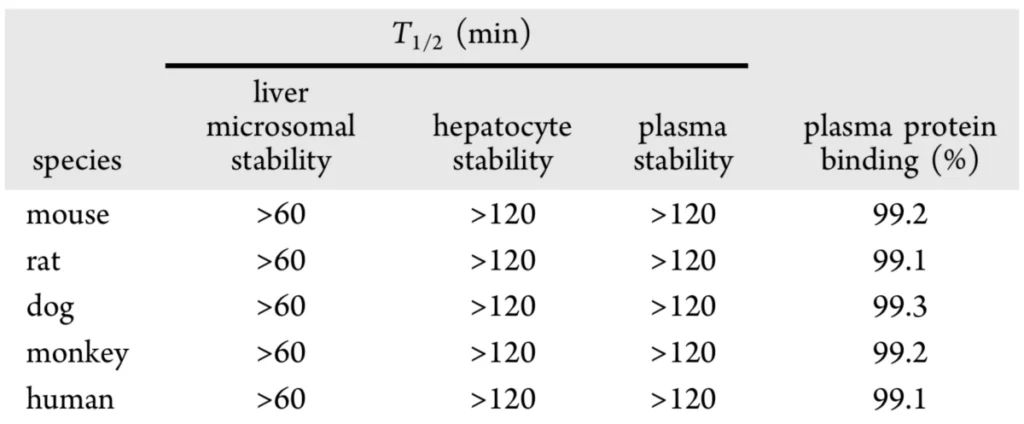
In vitro data showed that ARD-2051 exhibited excellent liver microsomal and plasma stability across five species (human, mouse, rat, dog, and monkey) with T1/2>60 min and >120 min, respectively, and a plasma protein binding of 99.1%–99.3%.
Liver Microsome Metabolic Stability, Plasma Stability, and Plasma Protein Binding in Five Species[1]
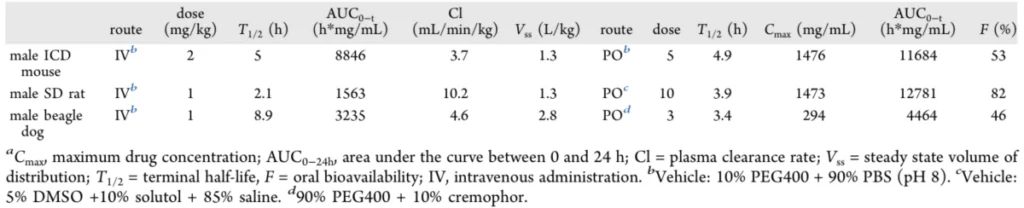
ARD-2051 showed no significant inhibition against the tested CYP isoforms up to 10 μM. In vivo PK data showed that ARD-2051 achieved good oral exposure with oral bioavailability of 53%, 82%, and 46% in mice, rats, and dogs, respectively.
Summary of PK Data for ARD-2051 in Mouse, Rat, and Dog[1]
Case Study 2
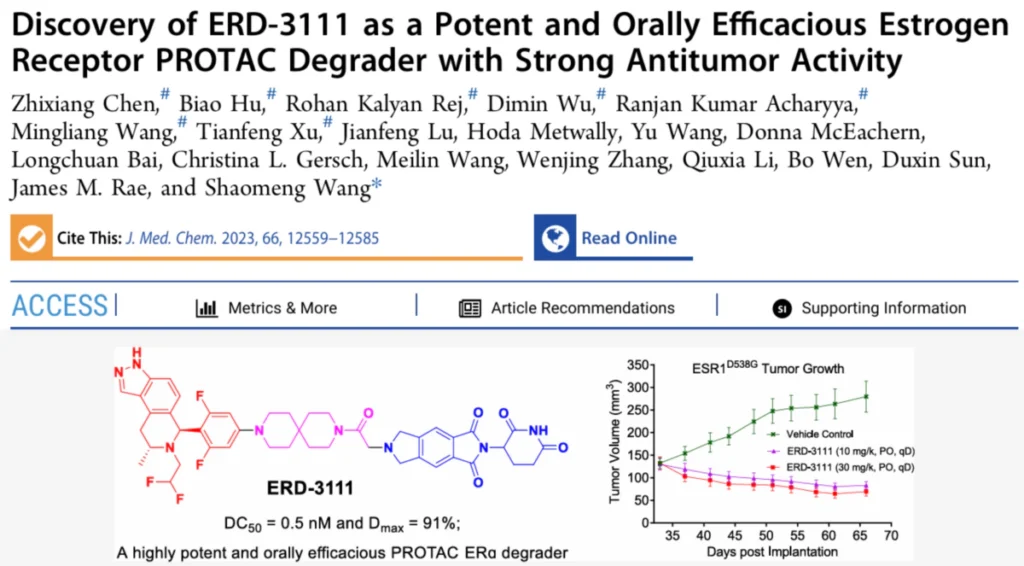
ERD-3111 is an orally efficacious estrogen receptor α (ERα) PROTAC degrader reported by Prof. Shaomeng Wang’s group at the University of Michigan. Medicilon provided pharmacokinetic studies in rats, mice, and dogs, as well as cytochrome P450 (CYP) enzyme inhibition assay and Caco-2 permeability assessments for this research.
In the CYP inhibition assay, ERD-3111 showed no significant inhibition against the tested CYP isoforms up to 10 μM.
Metabolic Stability and Safety Profiling of ERD-3111[2]
PK data showed that ERD-3111 exhibited low clearance, good oral exposure, and high oral bioavailability across species: rat clearance 7.4 mL/min/kg with 20% oral bioavailability; mouse clearance 5.7 mL/min/kg with 42% oral bioavailability; dog clearance 11.0 mL/min/kg with 66% oral bioavailability. In rats, at the same 3 mg/kg oral dose, ERD-3111 achieved 3-fold higher Cmax and 5.4-fold higher AUC than ARV-471.
Summary of the PK Profiles for ERD-3111 and ARV-471[2]
Summary
Medicilon TPD platform covers PROTAC design and synthesis, in vitro activity evaluation, in vivo efficacy testing, pharmacokinetic studies, safety evaluation, and IND filing support, helping clients accelerate PROTAC drug development.
In the molecular glue field, Medicilon has established a comprehensive service platform covering preclinical R&D of molecular glue drugs. The platform supports the synthesis, optimization, and application of key intermediates for molecular glue and other TPD drugs, advancing TPD drug R&D across multiple targets and indications.
Medicilon has listed “Research and Application of Novel Molecular Glue Protein Degradation Technology” as a key R&D project, continuously improving its molecular glue discovery engine by integrating virtual screening, phenotypic screening, and affinity-based mass spectrometry screening methods.
In addition, the platform also covers novel bifunctional modalities such as RIPTAC. RIPTACs induce the formation of a ternary complex between a target protein and an essential protein, abrogating essential protein function and leading to cell death. Medicilon has supported approximately 10 RIPTAC R&D programs.
Medicilon Assisted Projects
CG001419
In August 2022, Cullgen Inc announced the approval of the IND application for CG001419 for the treatment of advanced solid tumors. CG001419 is the world’s first-in-class TRK (neurotrophic factor receptor tyrosine kinase) protein degrader. As the collaborative CRO of Cullgen, Medicilon relies on the PROTAC technology platform to provide comprehensive preclinical research services that comply with both China and US GLP standards for the R&D of CG001419 (including pharmacokinetic research and safety evaluation) and helped CG001419 to successfully get approved.
GT919
In May 2023, Gluetacs Therapeutics’s first class 1 new drug, GT919 Capsules, a molecular glue degradation agent pipeline, was approved by FDA to enter clinical trials. It is for the treatment of malignant hematological tumors. The pipeline was previously approved by NMPA for clinical trials on December 20, 2022. This is the first product pipeline of Gluetacs that has been approved for clinical trials in both China and the United States, and it is another milestone in the globalization process of Gluetacs. For the research and development of GT919, Medicilon relied on its solid R&D strength to efficiently complete the drug discovery to clinical application for GT919, including drug discovery, pharmaceutical research, and preclinical research based on Medicilon’s one-stop preclinical research services platform.
GT929
In October 2023, Gluetacs Therapeutics’s GT929 capsules, a molecular glue degradation agent pipeline, was approved by FDA to enter clinical trials for the treatment of malignant hematological tumors. GT929 is an IKZF1/3 targeted immunomodulatory drug candidate. The pipeline was previously approved by NMPA for clinical trials in July 2023. As a strategic partner of Gluetacs Therapeutics, Medicilon provided formulation research and preclinical research (including PD, PK, and safety evaluation) for the development of GT929, as well as preparing filing application materials.
GT818
GT818 is Gluetacs Therapeutics’ self-developed first-in-class RSK dual-functional degrader. It received implied clinical trial approval from China’s NMPA in July 2026 and was approved by the U.S. FDA to enter clinical trials in August 2026. It is Gluetacs’ third pipeline to obtain clinical trial approval in both China and the United States, and also the third TPD drug approval enabled by Medicilon’s one-stop preclinical R&D service platform (covering chemical synthesis, formulation development, pharmacology, pharmacokinetics, and safety evaluation).
XNW34017
XNW34017 is Evopoint Biosciences’ first-in-class oral AURKA-targeted protein degrader that degrades MYC protein. Medicilon provided GLP-compliant in vitro and in vivo pharmacokinetic and safety evaluation services for XNW34017, facilitating its rapid clinical approval.
Reference:
[1] Xin Han, et al. Discovery of ARD-2051 as a Potent and Orally Efficacious Proteolysis Targeting Chimera (PROTAC) Degrader of Androgen Receptor for the Treatment of Advanced Prostate Cancer. J Med Chem. 2023 Jul 13;66(13):8822-8843. doi: 10.1021/acs.jmedchem.3c00405.
[2] Zhixiang Chen, et al. Discovery of ERD-3111 as a Potent and Orally Efficacious Estrogen Receptor PROTAC Degrader with Strong Antitumor Activity. J Med Chem. 2023 Sep 14;66(17):12559-12585. doi: 10.1021/acs.jmedchem.3c01186.